Peer-reviewed
Fresh sounds better.
It isn't.
The food science disagrees. Here are the studies.
45%
vitamin C lost in green beans after 7 days refrigerated¹
30%
lower all-cause mortality in highest spermidine intake group²
90%+
nutrient retention in flash-frozen vs. refrigerated storage³
Three compounds. All three require correct handling.
Getting any one wrong means you're paying for benefits you're not receiving.
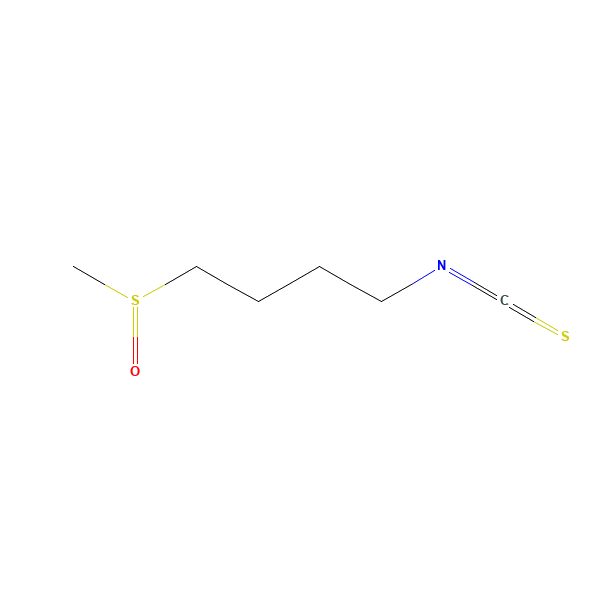
Sulforaphane
Broccoli · Cauliflower
What it does: Activates Nrf2, the body's master antioxidant regulator. Inhibits mTOR. Crosses the blood-brain barrier. Studied for cancer prevention, cognitive function, and metabolic health.
The catch: Does not exist in raw broccoli. Forms when glucoraphanin contacts myrosinase enzyme, but only after cutting. Heat above 70°C destroys myrosinase within minutes, ending the reaction before it completes.
SVD: We chop broccoli and wait the full 30–40 minutes before any heat is applied. Sulforaphane is fully formed before cooking begins. Flash-frozen immediately after.
Study
Fahey JW, et al. PLOS One, 2015
Myrosinase hydrolysis reaches equilibrium at ~30 min; sulforaphane concentration remains stable thereafter. Cooking immediately after cutting yields near-zero sulforaphane.
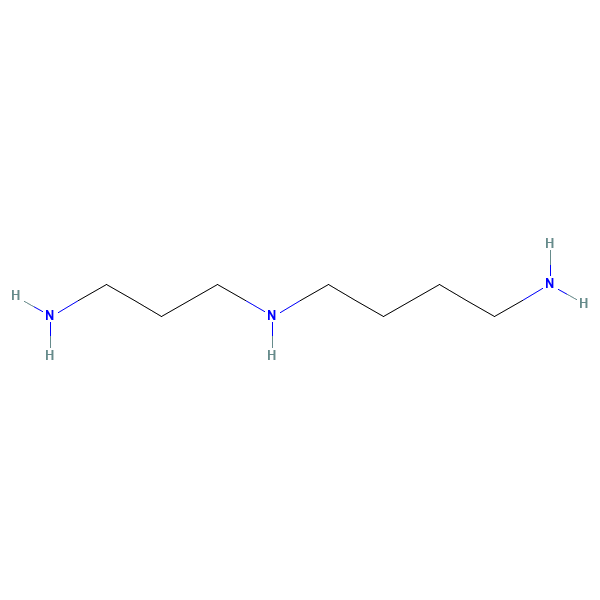
Spermidine
Shiitake mushrooms · Black lentils · Wheat germ
What it does: Triggers autophagy, the cellular recycling process that removes damaged proteins and organelles. Maintains mitochondrial function. Associated with cardiovascular and cognitive health.
The catch: Levels vary widely by handling conditions. Degrades in poorly stored or slow-transit produce. A 3–5 day delivery window without flash-freezing introduces significant degradation risk.
SVD: Meals are flash-frozen within hours of preparation. No secondary degradation during transit. The clock stops at peak.
Study
Kiechl S, et al. American Journal of Clinical Nutrition, 2022
n=23,736 over 20 years. Highest spermidine intake: 30% lower all-cause mortality, 32% lower cardiovascular mortality. Equivalent to 5.7 years of biological age advantage.
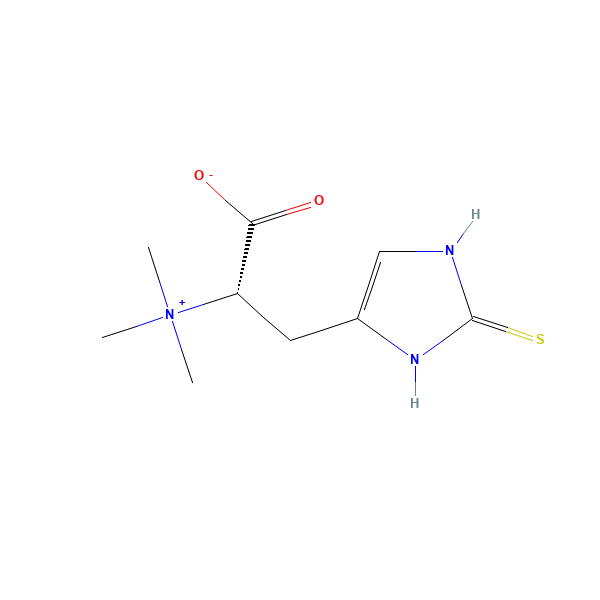
Ergothioneine
Shiitake mushrooms
What it does: Accumulates selectively in tissues under high oxidative stress. Activates Nrf2 and interacts with Sirtuin-mediated epigenetic pathways. Proposed by researchers as a dietary longevity vitamin.
The catch: Found almost exclusively in fungi. Requires proper cooking temperature to be bioavailable. Low blood ergothioneine is consistently associated with worse health outcomes.
SVD: Cooked to the correct temperature for bioavailability. Flash-frozen same day to lock compound levels.
Study
Halliwell B, et al. British Journal of Nutrition, 2023
Low blood ergothioneine consistently associated with cognitive impairment, cardiovascular disease, frailty, and higher all-cause mortality across observational data.
What happens between harvest and your plate.
Fresh delivery
- 01Chop-to-cook timing uncontrolled — sulforaphane yield unknown
- 02Packed → refrigerated (nutrient clock starts)
- 03In transit refrigerated (2–5 days)
- 04In your fridge (1–5 more days)
- 05You eat it
Up to 45% vitamin C lost by day 7¹
SVD flash-frozen
- 01Chopped → 40-min rest (sulforaphane forms)
- 02Steamed to correct temperature
- 03Flash-frozen same day
- 04Shipped frozen
- 05You eat it
90%+ nutrient retention³
Compound
Fresh delivery
SVD
Sulforaphane
Destroyed if cooked within 40 min of cutting
Formed in full before heat. Locked at freeze.
Vitamin C
Up to 45% lost after 7 days refrigerated¹
90%+ retained in flash-frozen storage³
Spermidine
Degrades during multi-day transit + fridge
Frozen at peak within hours of prep
Ergothioneine
Depends on handling during transit
Controlled prep temperature, frozen same day
Four steps most meal services skip.
Each one exists because the biochemistry requires it, not as a marketing claim.
01
Chop. Wait 30–40 minutes.¹
Sulforaphane only forms after cutting. Cooking immediately after chopping inactivates myrosinase before the reaction completes. Waiting preserves it.
02
Steam, don't boil.
Boiling leaches water-soluble vitamins (C, B-complex, folate) into water that is discarded. Steaming retains them in the food.
03
Wood boards only.
Plastic cutting boards shed an estimated 7–50 grams of microplastic particles per year into food. We use wood exclusively.
04
Flash-freeze same day.³
Rapid freezing creates micro-ice crystals that do not rupture cell walls. Nutrients are locked in. The degradation clock stops.
Sources
¹ Favell DJ. A comparison of the vitamin C content of fresh and frozen vegetables. Food Chemistry. 1997;62(1):59-64. Green beans: 45% vitamin C loss after 7 days of refrigerated storage.
² Kiechl S, et al. Higher spermidine intake is linked to lower mortality: a prospective population-based study. Am J Clin Nutr. 2022;116(1):232-240. n=23,736, 20-year follow-up.
³ Rickman JC, Barrett DM, Bruhn CM. Nutritional comparison of fresh, frozen, and canned fruits and vegetables. J Sci Food Agric. 2007;87(6):930-944. Flash-frozen: >90% vitamin C retention vs. significant losses under refrigerated storage.
Get the protocol right without the prep.
Organic. Flash-frozen same day. Ready in 2 minutes.