
Kasha with Purple Sweet Potatoes and Kale
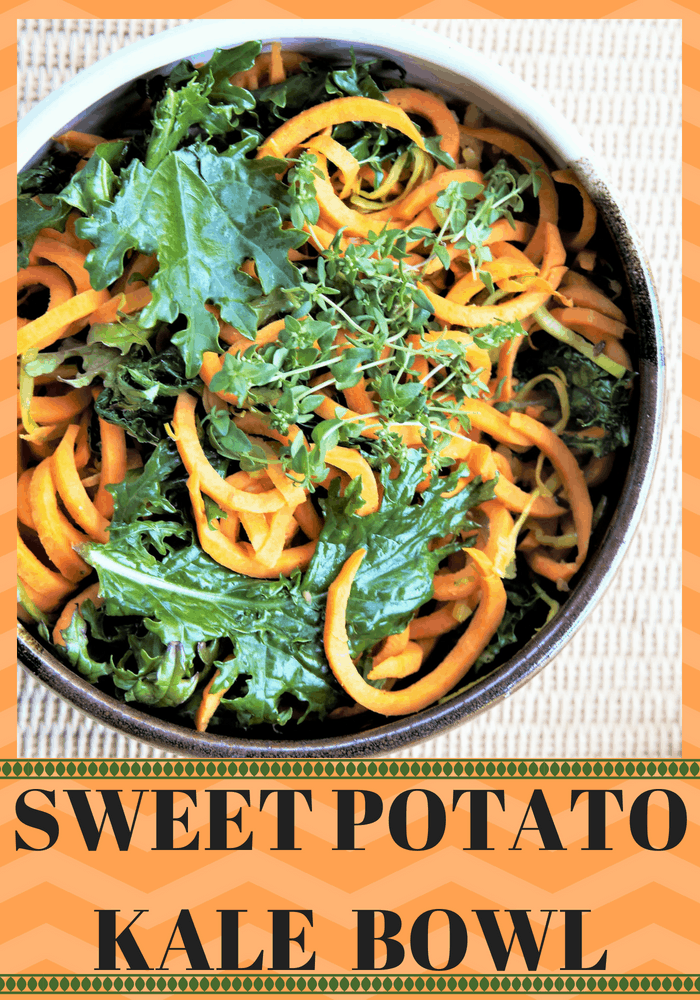
Quick-cooking toasted buckwheat groats simmered with kale and combined with roasted purple sweet potatoes, bell pepper, onion, and chickpeas, finished with miso and Savory Spice Blend. A whole-grain, whole-food one-bowl meal.
From The How Not to Age Cookbook
- Prep
- 15 min
- Cook
- 30 min
- Total
- 45 min
- Yield
- 4 to 6 servings
- Category
- Main Course
Nutrition (estimated)
per about 1.5 cups- Calories
- 340 kcal
- Protein
- 14 g
- Fat
- 4 g
- Carbs
- 66 g
- Fiber
- 12 g
- Sugar
- 8 g
- Sodium
- 220 mg
Ingredients
- purple sweet potatoes
- red onion
- red bell pepper
- onion powder
- pippali
- Vegetable Broth 2.0
- roasted kasha
- kale
- chickpeas
- white miso paste
- Savory Spice Blend 2.0
Instructions
- Roast sweet potatoes, red onion, and bell pepper on a parchment-lined sheet at 425°F ~25 min, stirring halfway. Season with onion powder and pippali.
- Meanwhile, simmer kasha in Vegetable Broth 2.0, adding kale; cover 10 min until kasha is cooked (avoid overcooking). Drain.
- Stir chickpeas, miso mixture, and Savory Spice Blend 2.0 into kasha.
- Combine with roasted vegetables. Serve hot or at room temp.
Active Compounds
Nutrients and bioactive compounds delivered by this recipe's ingredients.
From: Purple Sweet Potatoes
From: Purple Sweet Potatoes
From: Kale
From: Kale
From: Kale
From: Kale
From: Kale
From: Kale
From: Kale
From: Kale
From: Kale
From: Kale
May Support
Health conditions and aging processes this recipe's compounds may influence, based on the source research.
Protects against · via Purple Sweet Potatoes
Protects against · via Purple Sweet Potatoes
Reduces risk of · via Anthocyanins
Improves · via Anthocyanins
Improves · via Anthocyanins
Reduces risk of · via Anthocyanins
Reduces risk of · via Anthocyanins
Improves · via Anthocyanins
Protects against · via Anthocyanins
Improves · via Anthocyanins
Protects against · via Anthocyanins
Protects against · via Anthocyanins
Protects against · via Anthocyanins
Improves · via Anthocyanins
Protects against · via Anthocyanins
Protects against · via Anthocyanins
Improves · via Anthocyanins
Reduces risk of · via Kale
Improves · via Quercetin
Reduces risk of · via Vitamin K1
Protects against · via Vitamin C
Improves · via Vitamin C
Improves · via Vitamin C
Protects against · via Vitamin C
Protects against · via Vitamin C
Protects against · via Vitamin C
Addresses · via Vitamin C
Protects against · via Selenium
Addresses · via Selenium
Protects against · via Folate
Reduces risk of · via Folate
Protects against · via Folate
Protects against · via Isothiocyanates
Related Recipes
Other recipes that share compounds or health benefits with this one.
- Winter Vegetable StewThe How Not to Age Cookbook
- Dr. Fuhrman's Anti-Inflammatory Green SmoothieHow Not to Age
- Tex-Mex Breakfast BakeThe Young Forever Cookbook
- Kale and Millet-Stuffed Bell PeppersThe How Not to Age Cookbook
- Kimchi, Egg, and Avocado BowlThe Young Forever Cookbook
- Chicken with Kale and Preserved LemonThe Young Forever Cookbook